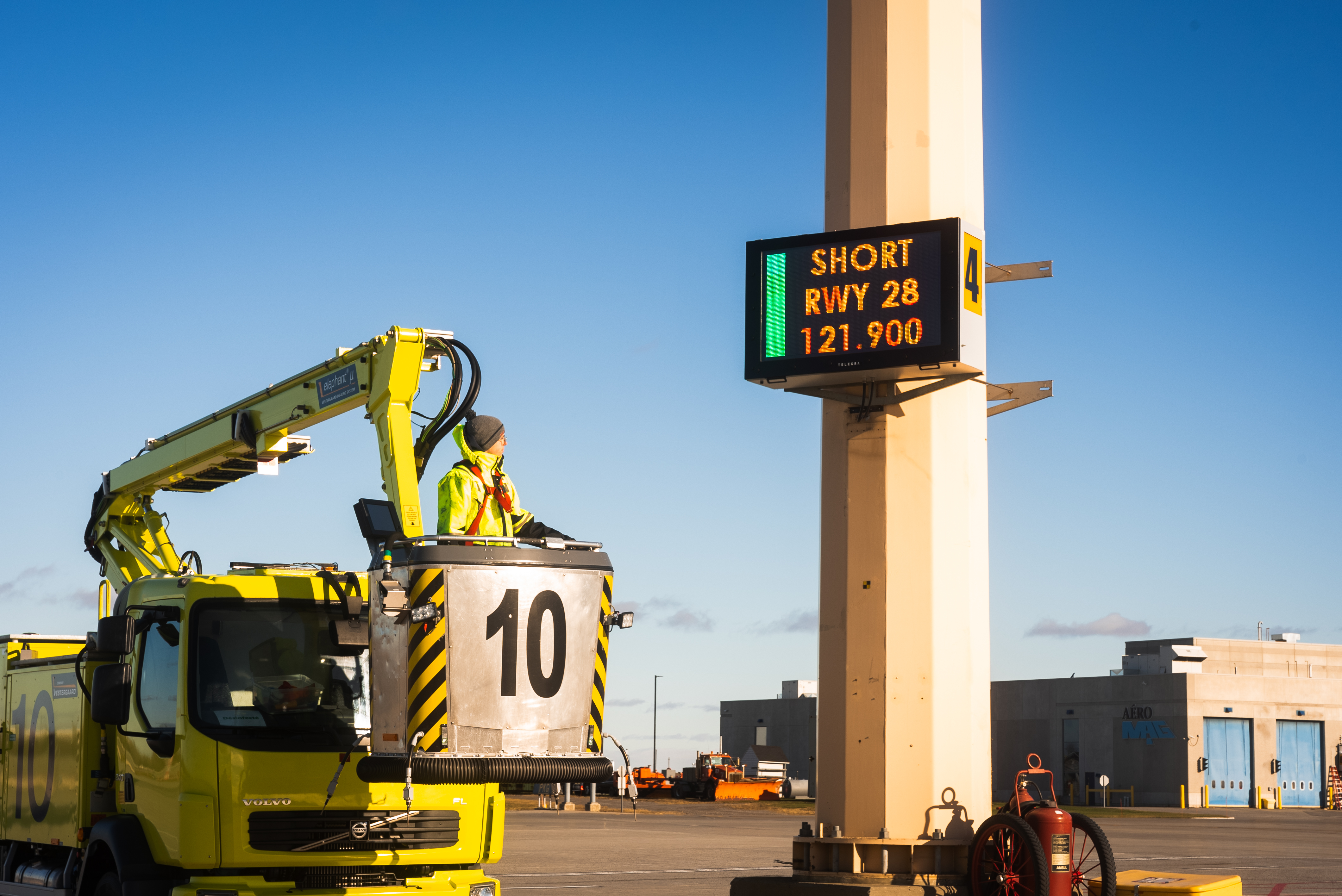
Clear Messages for Safer Aircraft Deicing
Solutions
Smart and Connected Parking Management
Dynamic, centralized signage for more efficient municipal operations.
Traditional Parking Restrictions Present Operational Challenges
Managing parking restrictions is a significant operational challenge for municipalities, particularly during snow removal operations, road maintenance, and special events.
Static signs and traditional signage methods offer limited flexibility to respond quickly to changing conditions. Municipal teams often need to intervene on-site, while drivers may struggle to identify which parking restrictions are currently in effect.
Key challenges include:
- Limited visibility and clarity of parking restrictions.
- Complex management of temporary parking bans during snow removal operations.
- Manual interventions and travel required to modify signage.
- Difficulty coordinating restrictions across multiple streets or districts.
- Limited visibility into the status of deployed equipment.
- Growing demand for flexible, scalable solutions adapted to modern urban infrastructure.
To address these challenges, Orange Traffic offers a connected approach that transforms traditional signage into a network of intelligent devices that can be accessed and controlled remotely.
Centralized Management, Connected Signage, and Streamlined Operations
Remote Management
Monitor and control connected parking indicators through the Dimonoff SCMS platform without requiring physical intervention at each device.
Enhanced Visibility
Clearly communicate parking restrictions with durable LED indicators designed to perform in demanding roadway environments.
Intelligent Connectivity
Benefit from a long-range wireless mesh network and communication gateways that connect field equipment to a centralized management platform.
A Connected Parking Solution Powered by an Intelligent Management Platform
Developed through the collaboration between Orange Traffic and Dimonoff, this solution combines durable LED signage with wireless communication infrastructure and the Dimonoff SCMS urban asset management platform.
Unlike traditional systems that rely primarily on local interventions, this connected approach enables municipal managers to remotely access, monitor, and control their equipment through a centralized environment.
A connected architecture built around three key components:
1. Connected LED Parking Indicators
Orange Traffic's parking indicators provide clear visual communication of active parking restrictions. Built with durable polycarbonate and aluminum components, they are designed for pole-mounted installation and long-term performance in urban environments.
2. Wireless Communication Network
The indicators are connected through a long-range wireless mesh network operating at 2.4 GHz, with a 900 MHz option available. Cellular gateways provide network connectivity, with Ethernet connectivity available as an option.
3. Centralized Management Platform: Dimonoff SCMS
At the heart of the solution, the Dimonoff SCMS platform enables municipal managers to remotely access, monitor, and control connected equipment.
This user-friendly platform simplifies urban asset management and provides a centralized, scalable approach designed to support smart city initiatives.
Practical Applications for Municipalities
- Snow Removal: Simplify parking restriction management to support efficient snow clearing operations.
- Road Maintenance: Adapt signage during roadwork, street cleaning, and municipal maintenance activities.
- Special Events: Communicate temporary parking restrictions during events that require adjustments to available on-street parking.
- Urban Management: Optimize the use of on-street parking spaces through dynamic, connected signage.
The result: More agile parking restriction management, improved coordination of municipal operations, and clearer communication with drivers.
Frequently Asked Questions
01. How does the connected parking solution work?
The solution combines LED parking indicators, a wireless communication network, and the Dimonoff SCMS platform. Devices communicate through a wireless mesh network and gateways, enabling remote monitoring and control.
02. Can parking indicators be managed through a single platform?
Yes. The Dimonoff SCMS platform allows municipal managers to centralize access, monitoring, and control of connected equipment, simplifying day-to-day operations.
03. Is this solution designed exclusively for snow removal operations?
No. It can also support street maintenance, municipal roadwork, and temporary parking restriction management during special events.
04. What are the advantages of connected signage compared to traditional parking signs?
Connected signage provides greater operational flexibility. It enables remote equipment control, reduces the need for manual interventions, and helps communicate active parking restrictions more clearly.
05. Can this solution support a smart city strategy?
Yes. The Dimonoff SCMS platform is designed for connected urban asset management, enabling municipalities to monitor and control a variety of sensors and devices through a centralized environment.
Our Projects
See all our projects
Modernizing Origin-Destination Transportation Modeling Through Floating Car Data
New MTQ Standard: A Concrete Step Forward for Intersection Safety
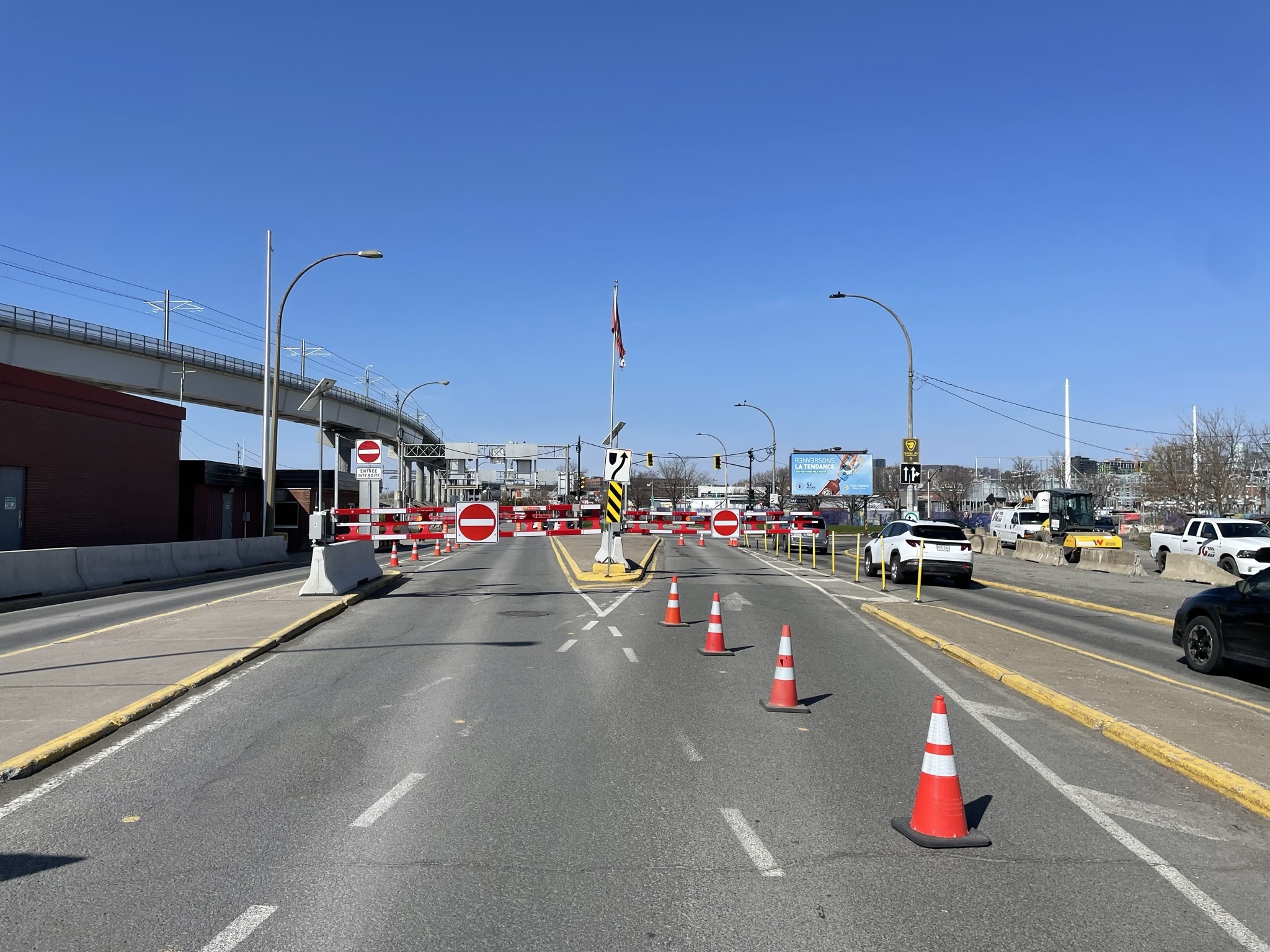
Victoria Bridge Project Improving Traffic Flow and Enhancing Safety on the Victoria Bridge

When Artificial Intelligence Transforms an Urban Corridor
Optimization of Boulevard St-Charles in the City of Kirkland through NoTraffic and Artificial Intelligence
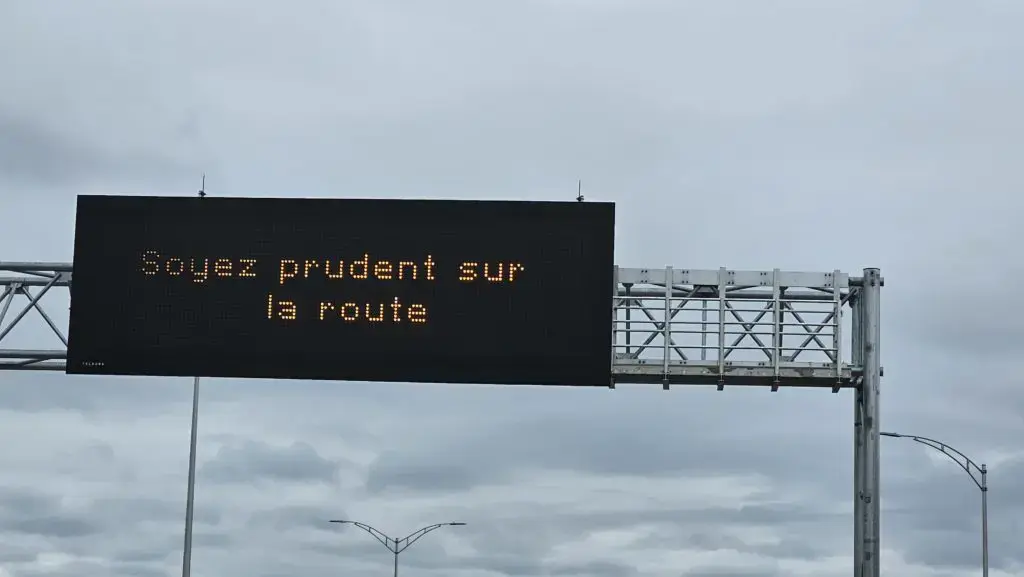
Traveler Information for Pie-IX Boulevard
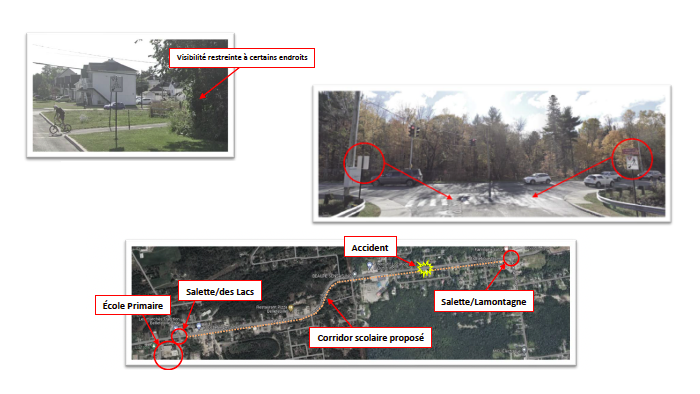
Intervention Plan for Improving Intersections in Saint-Jérôme
Products used in this solution
Frequently Asked Questions
LED signs attract more attention from drivers and eliminate the ambiguity associated with permanent signs, which are often ignored or obscured by snow or dirt.
No. It can also be used during events, municipal works, or for any temporary restrictions requiring rapid activation.
Yes. Signs can be activated individually or in groups via centralized remote management.
No. Remote activation significantly reduces travel and physical handling of the signs.
Experts ready to help you